The Role of Emotion in Gambling Choices
Casino gaming decisions are profoundly influenced by emotions, which can often lead to irrational choices. Players may experience excitement, anticipation, and even anxiety, all of which can shape their gaming behavior. The adrenaline rush associated with the thrill of winning or the disappointment of losing creates a complex emotional landscape that impacts how individuals approach their gaming decisions. For those looking for options, exploring bitcoin casinos australia, emotions such as joy and frustration can significantly affect a player’s ability to make calculated risks.

Moreover, the connection between emotions and decision-making in a casino environment is crucial. When players are in a heightened emotional state, they may engage in what is known as “impulsive gambling.” This type of behavior often results in chasing losses or increasing bets to recapture a prior winning feeling, leading to even greater risks and potential losses.
The Influence of Environmental Cues
The casino environment is specifically designed to evoke certain psychological responses from players. From the vibrant lights to the sounds of slot machines, every element aims to immerse players in a captivating experience. These environmental cues can enhance arousal levels, influencing players to spend more time and money than they might otherwise plan. For instance, the layout of the casino often encourages longer play sessions, as players may not realize how much time has passed while they are engaged in the atmosphere.
Additionally, elements like complimentary drinks and the proximity of games create a sense of comfort that encourages prolonged engagement. These strategies are grounded in psychological principles, aiming to keep players returning and making decisions that may otherwise seem uncharacteristic outside of a gambling setting.
Cognitive Biases Affecting Gambling Behavior
Cognitive biases play a significant role in gambling decisions. One common bias is the “gambler’s fallacy,” where individuals believe that past outcomes affect future results, leading them to make illogical bets. For instance, a player might think a slot machine is “due” for a payout, despite each spin being independent of previous outcomes. This fallacy can lead to a cycle of chasing losses and increased spending, driven by a misunderstanding of chance and probability.
Another prevalent cognitive bias in gambling is the illusion of control. Many players believe they can influence random outcomes, such as the roll of dice or the spin of a wheel. This belief can encourage reckless betting patterns, as the player may feel empowered to make decisions based on perceived skills rather than the inherent randomness of the game.
The Social Aspects of Gambling
The social dynamics surrounding casino gaming significantly impact decision-making processes. Many players are drawn to the communal aspects of gambling, finding enjoyment in the shared experience with friends or other patrons. This social interaction can enhance the thrill of the game and lead to more significant betting, as players may feel encouraged by their peers to gamble more aggressively.
Furthermore, the presence of other players can create a sense of competition, prompting individuals to raise their bets in an attempt to keep up or outperform others. Social pressures can, therefore, lead to decisions that might not align with a player’s usual risk tolerance, resulting in potentially harmful gambling behavior.
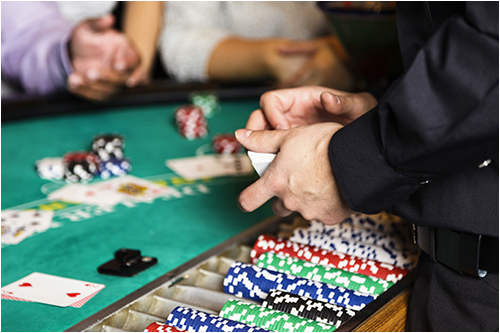
Understanding Casino Insights for Informed Decisions
To navigate the complexities of gambling psychology, it is essential for players to understand the psychological influences at play in the casino environment. By being aware of emotional triggers, environmental cues, cognitive biases, and social factors, individuals can make more informed decisions regarding their gambling habits. This awareness may help mitigate impulsive behaviors and promote responsible gaming practices.
Ultimately, knowledge is a powerful tool when it comes to casino gaming. Players looking to maximize their experience should leverage insights into the psychology of gambling, ensuring they enjoy the entertainment aspect while maintaining control over their decisions and finances. Exploring these factors can lead to a more fulfilling and sustainable gambling experience.